Find a performing arts class in London that actually fits.
Nine London schools, compared on the things that settle it for most people: fee per term, class size, audition odds and how far you travel on a wet Tuesday. Every figure is checked against the school’s own published information, and we say plainly when a school publishes nothing at all.
What this guide checks
Fees checked at source
Every number here comes from the school's own fee page or prospectus, with the date we read it. If a school publishes nothing, we say so instead of estimating.
No paid placements
Schools cannot buy a position or a softer write up. Nobody on this list has been asked for money, and none of the outbound links pay us a commission.
Written for whoever pays
A parent booking a Saturday class and an adult returning at 34 need different answers. Both get their own section, with the caveats that apply to each.
Rechecked each term
Fees, audition windows and age brackets move every year. Each entry carries the date it was last verified, so you can see at a glance what has gone stale.
Start with the route, not the school
Most people arrive here searching for a school name. Start one step earlier. The route you pick decides the fee, the hours, the audition and the odds, and it rules out two thirds of the options before you read a single prospectus.
Full time conservatoire
Three years, audition entry, heavy competition. The right route if performance is the career rather than the hobby. Contact hours and class sizes vary far more than the prospectuses admit, so compare those before you fall for a building.
Short courses and evening classes
Six to twelve weeks, no audition at most schools, and the cheapest honest way to test whether you like the work. Book one term before you spend a year's fee on a decision you have not tested.
Youth and Saturday schools
Ages 4 to 18, billed by the term, and aimed at wildly different things. A few train children for professional auditions. Most build confidence and friendships. Ask which one you are buying before the first invoice.
What three years of London training actually buys
Ask ten people what drama school teaches and nine will say acting. The timetable says otherwise. At a London conservatoire the week is built from voice, movement and text, taught as separate disciplines by separate specialists, and the acting sits on top of all three.
That structure explains most of the price gap between a conservatoire place and an evening class. You are paying for contact hours with a voice teacher, a movement teacher, a fight director and a text coach, in rooms booked for you five days a week.
It also explains why so many people finish a short course delighted and a degree exhausted. One is a taster of the interesting part. The other is three years of technical repetition with the interesting part waiting at the end.
Voice takes the biggest block of the week
Voice work starts with breath and support, moves to resonance and articulation, and only later reaches accents. Guildhall sells accent work as its own short course, in Standard Southern British English and in General American, which tells you how specialised the subject gets once you are inside a degree.
Expect daily group sessions plus one to one time. Expect to be told your habitual voice is doing something you cannot yet hear. Most students call this the least glamorous part of training and the part that changes their work fastest.
If you have a strong regional accent, no reputable London school will train it out of you. They add to it. Ask directly how a school handles accent in showcase casting, because the answers still differ between buildings a mile apart.
Movement, and why the timetable starts early
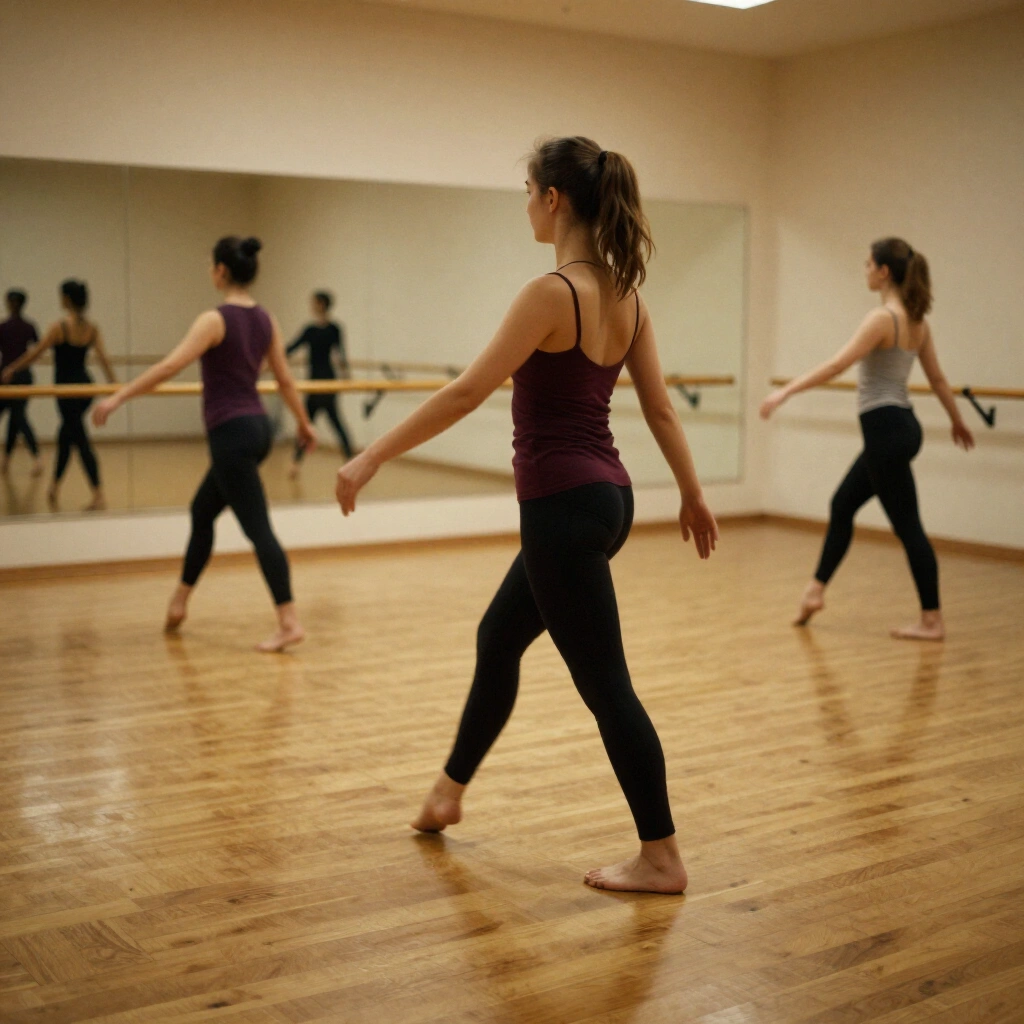
Movement runs first thing for a reason. Bodies are stiff at nine, and the work is physical: Laban, Alexander technique, period dance, and stage combat with weapons where the school runs it. Guildhall lists stage combat at two levels in its public short courses, including advanced weapons, and the degree version is longer and harder than the taster suggests.
Here is the caveat worth acting on. Physical training carries injury risk, and schools differ in how well they support a student who gets hurt. Ask what happens to your place if you tear something in term two. A school that answers that clearly is telling you a great deal about how it is run.
Text work: Shakespeare first, then everything else
Nearly every conservatoire builds its text work on Shakespeare, then moves outward through Restoration comedy, Chekhov, Ibsen and contemporary writing. This is not nostalgia. Verse forces precision about breath, stress and the thought under the line, and once you can hold iambic pentameter, modern text stops feeling difficult.
Both RADA and Guildhall sell Shakespeare short courses to the public, so you can test your appetite for this before committing three years to it. Take the test. A fair number of people discover they actually want screen work, and they would be happier at a school with a heavier camera element.
Screen work is the gap worth checking
Stage training still dominates London conservatoires, while the money in the profession has moved steadily toward screen. Most schools have answered with camera modules, self tape teaching and a screen showcase, but the depth varies between schools that own studios and schools that hire one for a fortnight.
Ask for the number of camera days across the whole course, not the number of modules. Ask who teaches them and what they have shot recently. A school that cannot answer in specifics is telling you the module is thin.
What it costs in hours, not money
A full time acting degree runs close to a working week. Nine to six, five days, with evening rehearsals through production terms. Part time study at conservatoire intensity does not really exist, and the better schools say so plainly in their handbooks.
Anyone holding down a job, a child or a caring responsibility should read that twice before applying. Students who leave in first term rarely go because the work was too hard. They go because the timetable does not bend.
The showing at the end
Third year is public. You perform in a season of productions, you appear in an industry showcase, and agents either come or they do not. This is the part the fee genuinely buys, so ask how many agents attended last year and how many graduates signed within six months.
One warning to hold onto: a good showcase is a door, not a career. Graduates of every school on this page spend the year after training in temp work and self tapes. Train because the craft is worth three years of your life, not because a showcase guarantees the next ten.
Nine London schools, side by side
Six columns, because those are the six things that change the decision. Route matters more than reputation here: a Saturday academy and a three year degree are not competing for the same person, and comparing them on prestige tells you nothing useful.
The gaps are deliberate. Where a school does not publish a figure in a place a parent would reasonably look, this table says so rather than filling the space with an estimate. Fees change every year, so confirm anything that decides your money directly with the school before you pay it.
| School | Area | Main route | Ages | Audition | Fee basis |
|---|---|---|---|---|---|
| RADA | Bloomsbury WC1 | BA acting, technical theatre, short courses | Degrees 18+, short courses for teens and adults | Yes, for degrees | Capped home BA fee, short courses priced individually |
| Guildhall School of Music and Drama | Barbican EC2Y | BA acting, music, production arts, short courses | Junior courses from age 5, degrees 18+ | Yes, for degrees | Capped home BA fee, junior and short course rates published |
| LAMDA | Hammersmith W14 | BA professional acting, short courses | Degrees 18+, short courses for teens and adults | Yes, for degrees | Capped home BA fee, short courses priced individually |
| Royal Central School of Speech and Drama | Swiss Cottage NW3 | BA acting plus stage and production degrees | Degrees 18+ | Yes, for degrees | Capped home BA fee |
| Mountview | Peckham SE15 | BA acting, BA musical theatre, youth and adult classes | Youth classes, degrees 18+ | Yes, for degrees | Capped home BA fee, youth rates published |
| ArtsEd | Chiswick W4 | BA acting, BA musical theatre, independent day school | Day school and degrees 18+ | Yes, degrees and day school | Capped home BA fee, school fees published per term |
| Italia Conti | London | Acting and musical theatre training, associate classes | Associate classes and full time training | Yes, for full time places | Not verified |
| Sylvia Young Theatre School | Marylebone W1 | Independent school plus part time theatre school | Part time classes and full time school | Yes, for full time places | Published per term for part time classes |
| Guildhall Young Artists King's Cross | King's Cross N1C | Saturday music, drama and production courses | 5 to 18 | No, for entry level courses | Published per term, bursaries available |
Compiled August 2026 from each school's public pages. Not verified means the figure was not published where a parent or applicant would reasonably look for it, and it is worth asking the school why. Home undergraduate fees at degree level sit under the government cap, which is set at £9,790 for 2026/27.
The audition, and what the panel is actually doing
Audition day is the part everyone rehearses and almost nobody understands. Panels are not scoring you against an ideal. They are assembling a cohort of roughly two dozen people who will share rooms for three years, and that changes what a rejection means.
Learn the sequence first. Most London conservatoires run a first round, one or two recalls, and a final decision. Some take applications through UCAS Conservatoires, others direct through their own systems, and the deadlines rarely line up. Check each school separately in September, not January.
Two speeches, and what they reveal
The standard ask is two contrasting monologues, one classical and one modern, usually around two minutes each. Schools publish their own lists and their own rules about what they will not accept, and those rules change, so read the current page rather than a forum thread from 2019.
The classical piece is the diagnostic. Verse exposes your breath, your stress patterns and whether you understand the thought under the line. The modern piece shows whether you still sound like a person. Most applicants prepare the modern one well and the classical one twice as hard, and it shows either way.
The recall is a working day
Recalls run long. Expect a workshop, movement, voice, a group task and an interview, sometimes across a full day or a weekend. This is the real assessment. The panel is watching whether you take a note, whether you are still working at four in the afternoon, and whether the room is better with you in it.
Bring water, food and clothes you can actually move in. The number of applicants who turn up to a movement recall in stiff jeans is not small, and it costs them more than it should.
What a rejection usually means
Acting cohorts are small, often under thirty, and they are assembled with an eye on range: age, height, voice, casting type. Two very similar applicants will not both get a place, however good each one is on the day.
That is the honest caveat of this whole section. You can audition well and still be turned down for reasons that have nothing to do with your work, and no school will tell you which reason applied. Reapplying the next year is completely normal. A good share of students on these courses arrived on a second or third attempt.
The fees before the fees
Each school sets its own audition fee, and applying to six of them is a real bill before anyone has offered you anything. Add travel, a night in London if you are coming from Newcastle, and days taken off work.
Check the waivers before you pay. Guildhall runs a supported application scheme, and most London schools operate something equivalent for applicants on lower incomes. These schemes are advertised badly. Look under access and participation rather than admissions, and email the access team directly if the page tells you nothing.
Eight weeks out, do this
Apply to fewer schools. Six well prepared applications beat twelve rushed ones, and the money saved on audition fees pays for a few hours of coaching that will do more for you than the seventh application.
Work the speeches out loud, standing, in a room roughly the size of the one you will be seen in. Film yourself on a phone once a week and watch it back, which is unpleasant and works. Read the whole play, not the speech. Panels ask, and the answer becomes obvious inside one question.
Inside the rooms
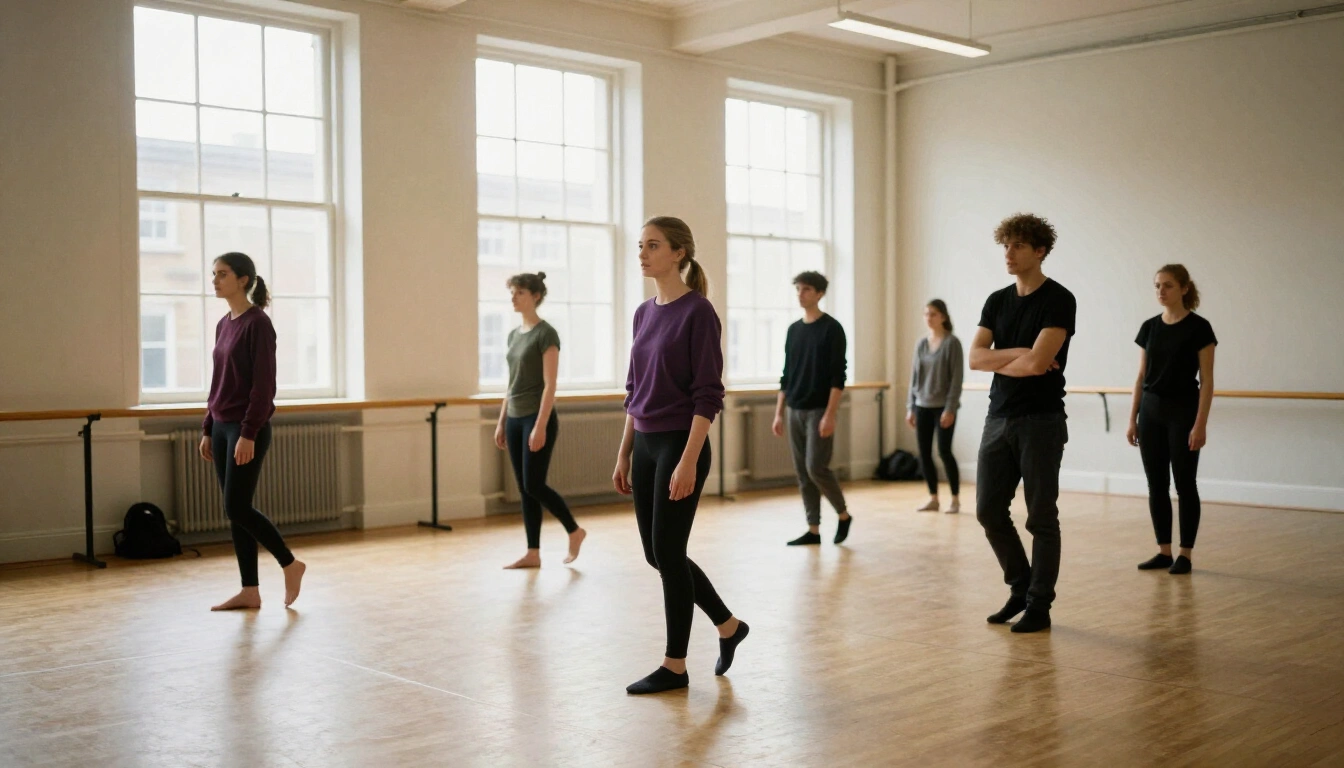
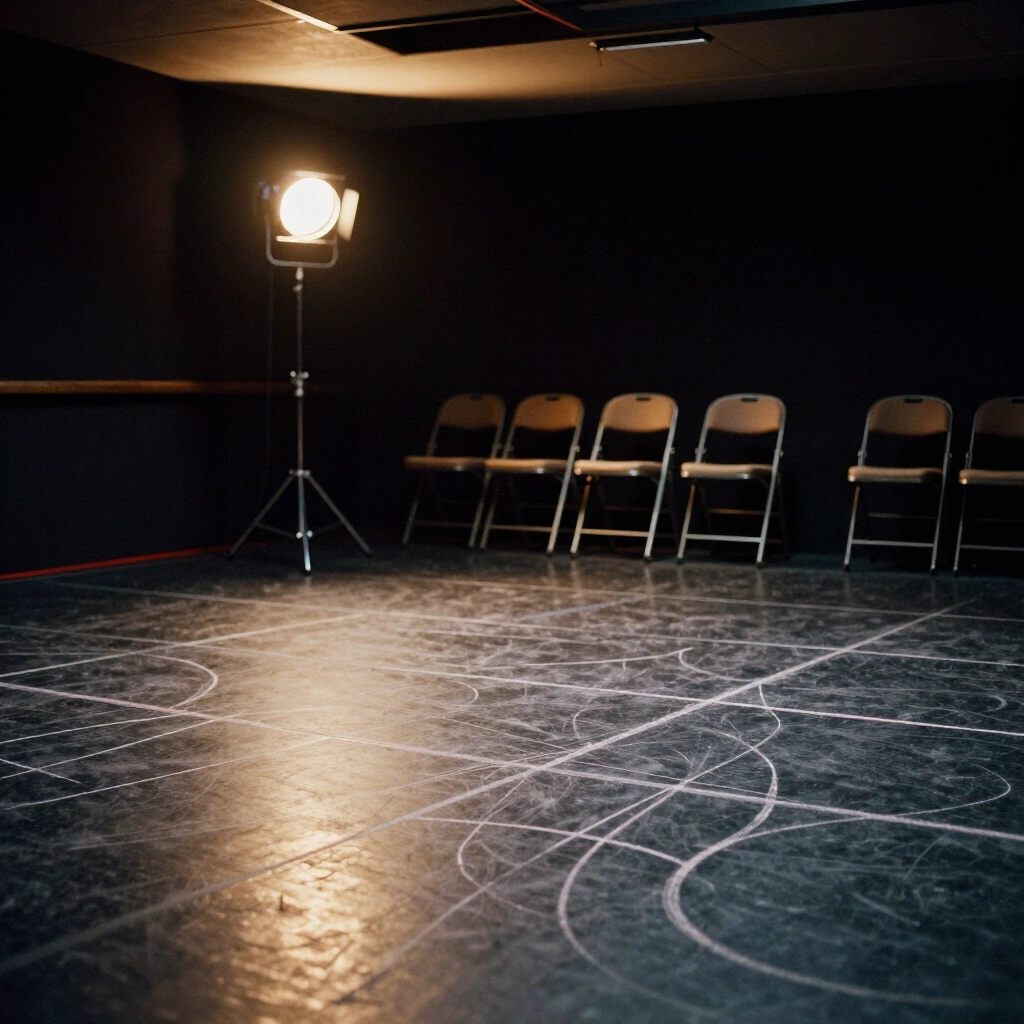
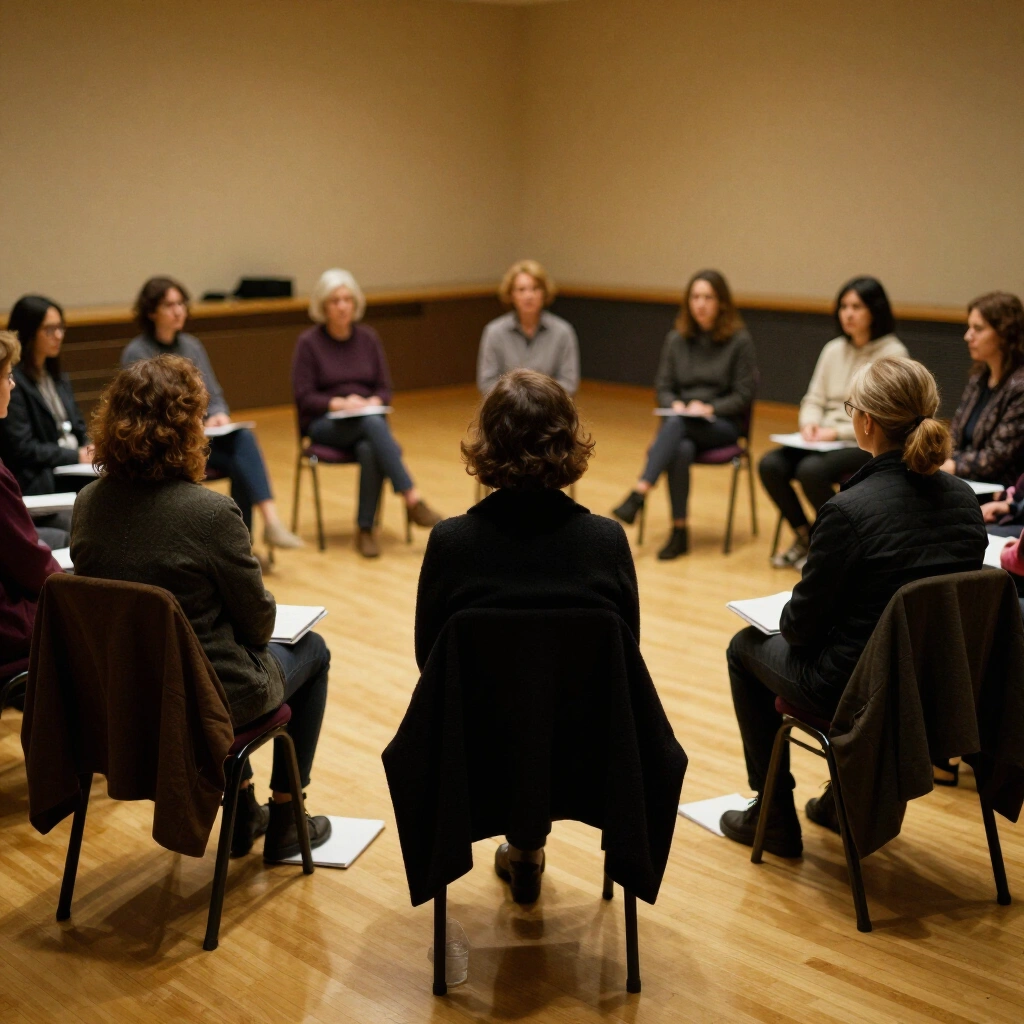
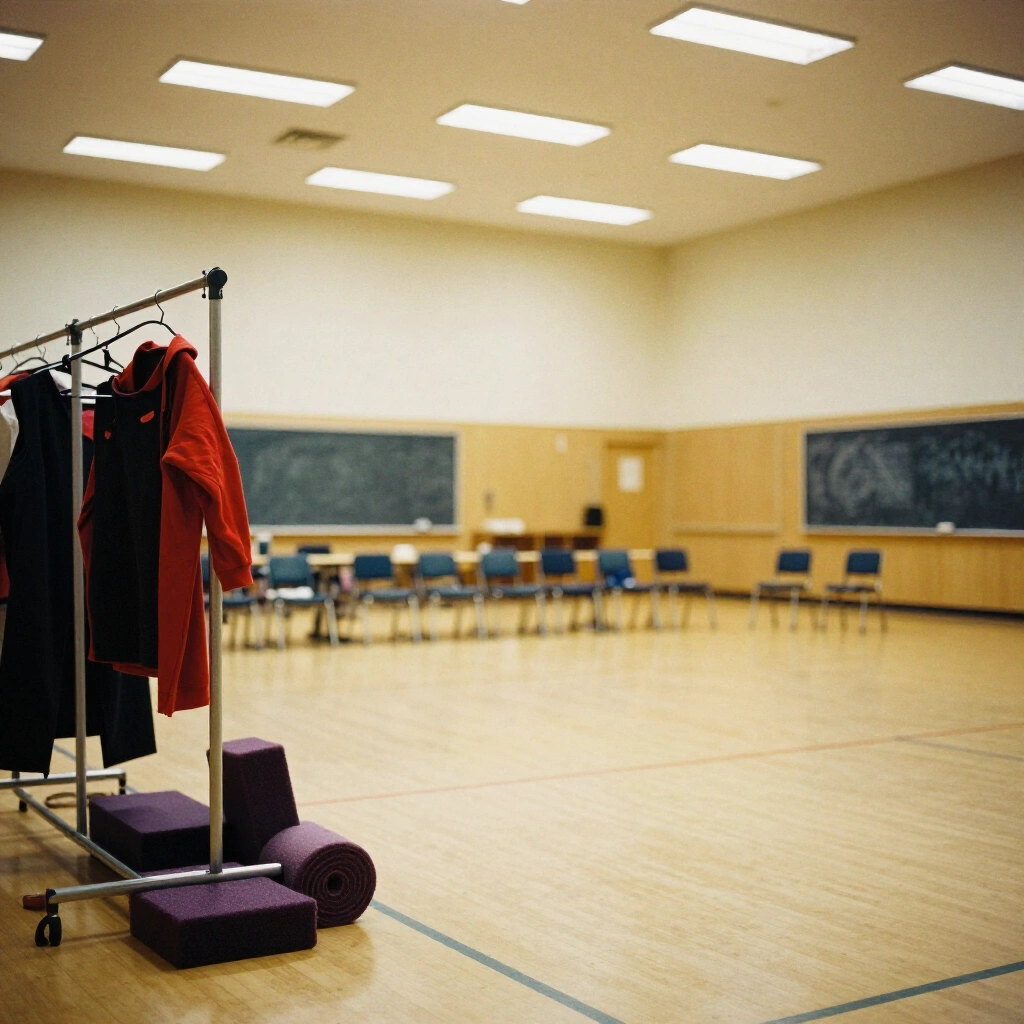
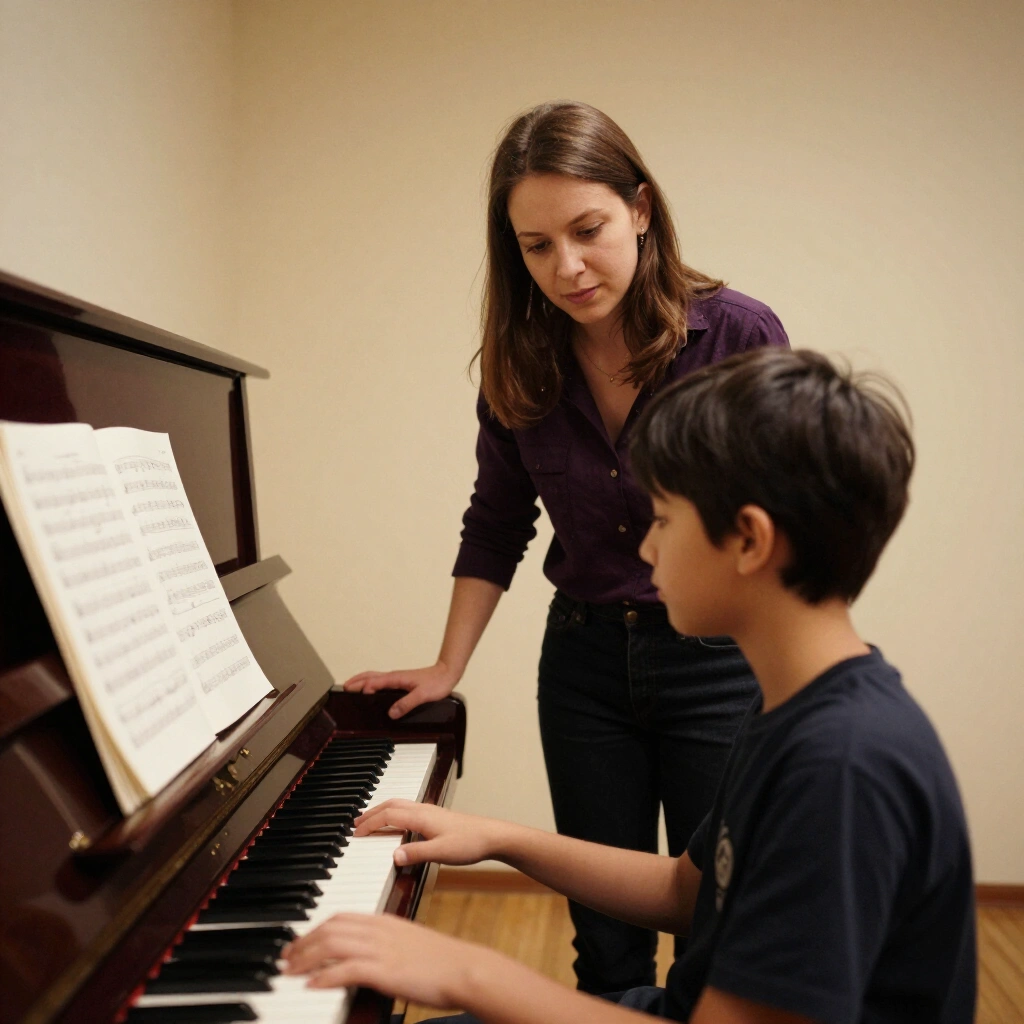
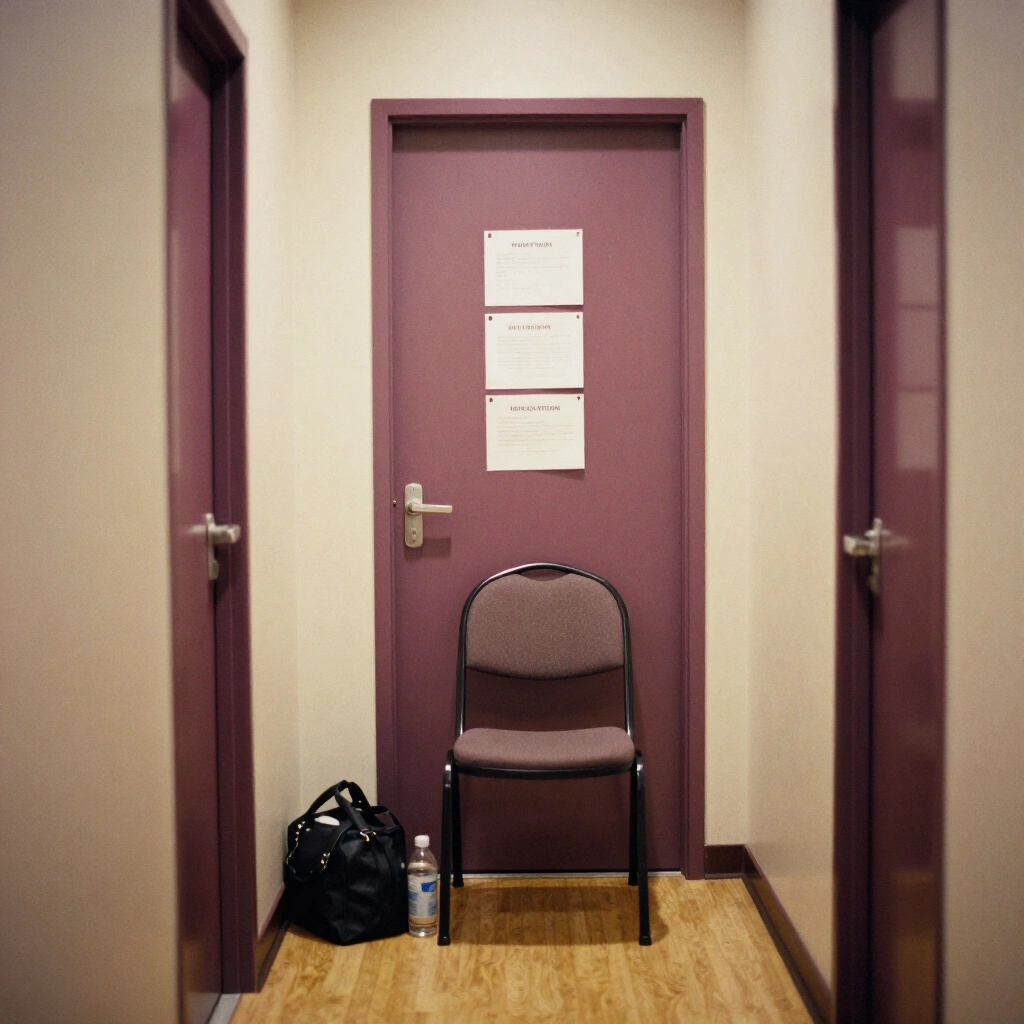
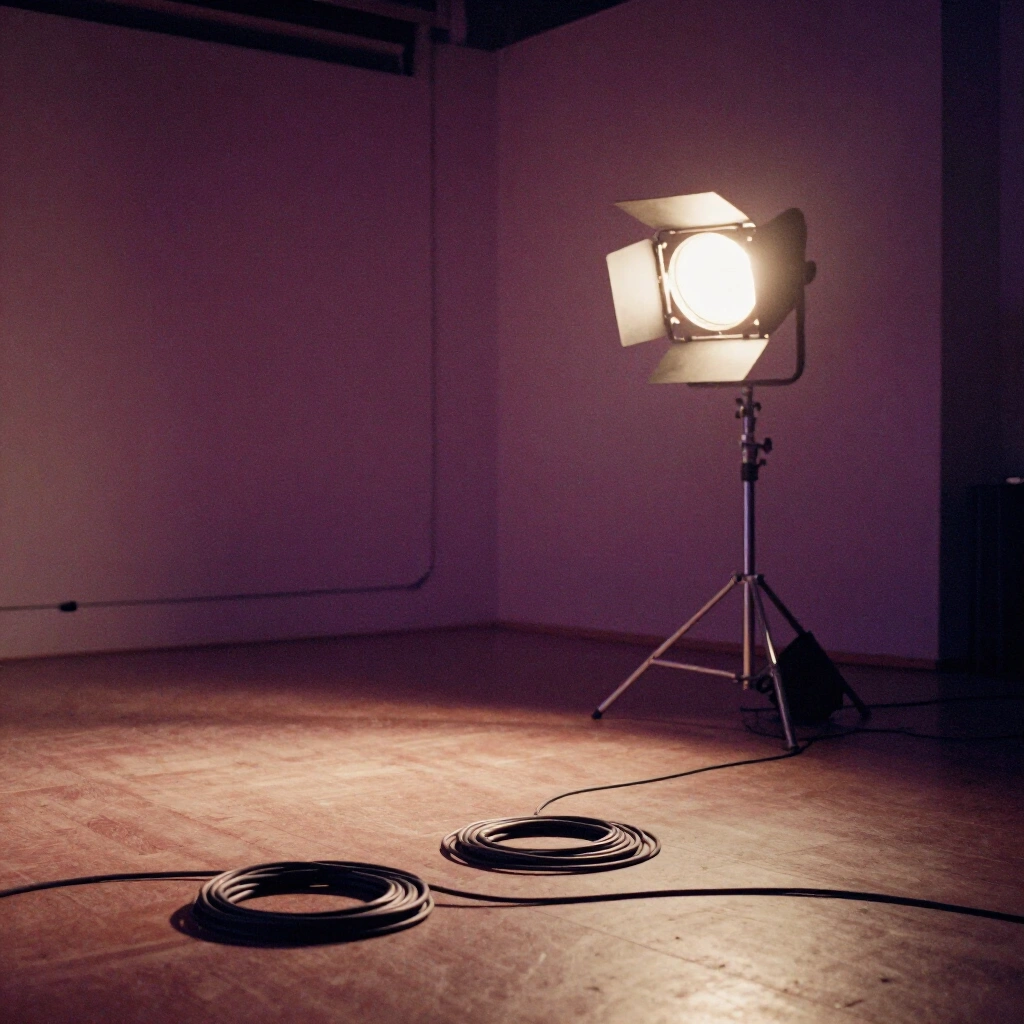
Rehearsal rooms look much the same everywhere, and that is the point. A sprung floor, a piano that wants tuning, chairs stacked at the back, a noticeboard that quietly decides your week. Before you commit a term’s fee, go and stand in one at an open day. You will learn whether the building is cared for, whether classes are stacked into shared space, and whether the students look like people you want beside you for three years.
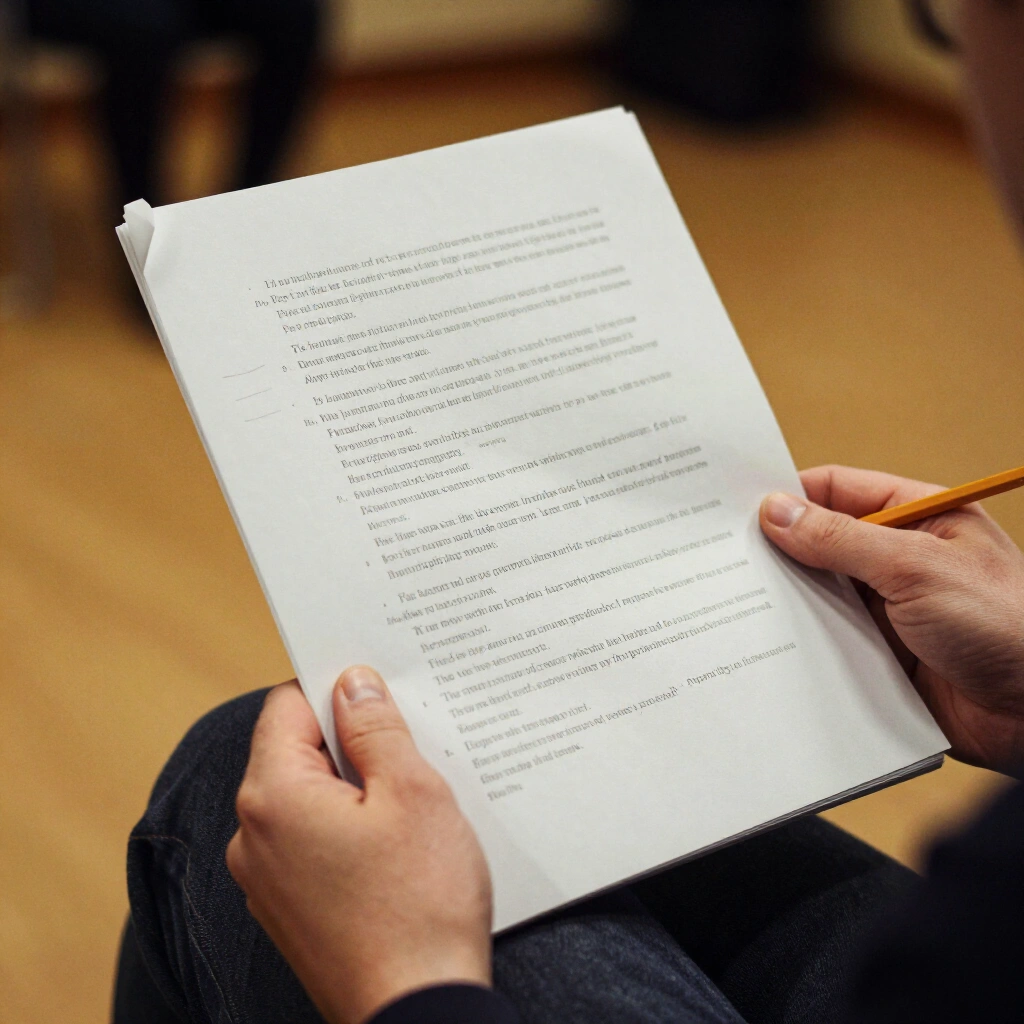
These images are illustrative and were made for this page. They are not photographs of the schools listed above.



Fees, funding, and the costs nobody puts in the prospectus
There are three separate fee worlds in London performing arts training, and people lose money by assuming they work the same way. Degree level fees are capped by government. Private short courses and adult classes are priced by whoever runs them. Youth classes are billed by the term and carry extras that never appear on the pricing page.
Work out which world you are entering before you compare a single number. A nine hundred pound evening course and a nine thousand pound year are not the expensive and cheap versions of the same product.
Degree level: the number is set for you
Home undergraduate fees on a designated course sit under the government cap. That cap is £9,790 for 2026/27 and rises to £10,050 for 2027/28. Every conservatoire on this page charges at or close to it, so tuition is not where schools compete.
Eligible home students can borrow the full fee. Maintenance is the harder problem. The maximum maintenance loan for a student living away from home in London is £14,135 for 2026/27, and a room in zone two will absorb most of that before you have eaten anything. Repayment on the current plan begins once you earn above £25,000.
International fees are a different order of magnitude and are set by each school. Check them directly, and ask about international scholarships, because several schools run them and rarely advertise them on the fees page.
Where student finance does not reach
Not every acting course qualifies for student finance. A course has to be designated, which in practice means it is validated by a university or the provider sits on the Office for Students register. A fair amount of good private training is not designated, and you pay for that from your own pocket.
Ask one question before applying anywhere private: is this course designated for student finance, and if not, what payment plans exist? A school that treats that question as awkward has told you something useful for free.
The costs that never make the pricing page
Audition fees come first, before anyone has offered you anything. Then rehearsal blacks and movement kit, character shoes, play texts, printing, and travel across London for rehearsals that finish after the cheap fares have gone.
Toward the end of training you pay for headshots, which run to a few hundred pounds in London for anyone decent, a showreel edit, and Spotlight membership, which most agents treat as a minimum. Equity membership sits on top of that if you want union backing.
Budget for all of it from year one instead of meeting it in a panic in third year. Ask current students what they actually spent across three years. They will tell you, and the figure is usually higher than the school expects it to be.
Short courses and adult evening classes
These are priced per course and paid up front, with no student finance behind them. A block of weekly evening sessions is the standard unit, and London prices swing enormously between a community hall and a conservatoire short course wearing a famous name.
Read the cancellation policy before you pay. Some providers refund nothing after the first session, some move your place to the next block, and the difference matters a great deal if your job involves travel.
Youth classes: the termly bill and the extras
Youth academies invoice by the term, usually three or four terms a year, and most also charge for show costumes, festival entries and graded exams. LAMDA and Trinity speech and drama exams carry their own fee per grade, paid separately from the class fee.
Ask for a full year of costs including shows and exams, in writing, before the first invoice. A well run school sends it without fuss. The ones that hesitate are exactly the ones where the extras mount up.
Bursaries exist and go unclaimed
Almost every conservatoire runs scholarships and hardship funds, and several run bursaries aimed specifically at short courses and junior departments. Guildhall publishes participation bursaries and a supported application scheme. Others do much the same under access and participation headings that nobody searching for fees ever finds.
The caveat is a real one. Most of these decisions land after an offer, so you will spend audition fees and months of preparation without knowing what support is coming. Apply anyway, and email the access team early. They can usually tell you what last year’s awards looked like, which is the closest thing to a straight answer available.
See an audition day from the inside
Reading about a recall and watching one are different experiences. This is RADA’s own film about the audition process for its BA in Acting, and it does the thing no prospectus manages: it shows the room, the pace, and the sheer amount of ordinary waiting involved.
Watch it for tone rather than tips. Notice how much of the day is group work, how panels give a note and then watch what you do with it, and how unremarkable everyone looks. Most applicants build the audition into something enormous in their heads. It is a long, tiring, reasonably friendly day with a lot of standing about, and the people who cope well are usually the ones who worked that out in advance.
Every school runs its own version, so treat this as one example rather than a template for all nine.
After training: what the work actually looks like
Training ends in June. What happens next is the part schools describe in showcase language and graduates describe rather differently over a drink.
Here is the honest shape of it. Most acting graduates spend their first years combining paid acting with other work, and the ones who last are the ones who arranged their lives to make that survivable. That is not failure. It is the structure of a freelance profession where work arrives in blocks and stops without notice.
The first two years are the real test
Expect intermittent work, self tapes that go nowhere, and a job that pays rent while staying flexible enough to release you for a recall at two days’ notice. Bar work, tutoring, temping and teaching cover most of it, and there is no shame anywhere in that list.
Set a financial floor before you graduate. Decide what you need each month and how you will earn it in a week with no acting work in it. Graduates who skip that step spend their energy on money panic rather than on auditions, and it shows in the room.
Agents, and what they actually do
An agent submits you, negotiates your contracts and takes a commission, usually somewhere between 10 and 15 percent depending on the medium. They do not conjure work out of nothing, and a poor agent is worse than no agent at all.
You are not obliged to sign with whoever offers first. Ask who else is on the list, how many clients each agent handles, and what they have got people seen for in the past year. A good showcase can produce several conversations at once, and the pull toward the first one is strong.
Self tapes are the job now
Most first round casting now happens on tape. You need a quiet room, a clean background, a light, a phone on a tripod and someone reliable to read with you, and you need to turn a tape around inside 48 hours without falling apart.
Schools have caught up unevenly. If a course does not teach self taping properly, learn it yourself in third year. It is the single most used skill of the first five years after graduation, and nobody will hold your hand through it once you leave.
Rates, contracts and Equity
Equity is the performers’ union, and it negotiates minimum terms with theatre and broadcast employers. Knowing the minimum for the kind of contract in front of you is basic professional literacy, and schools vary wildly in how well they teach it.
Read every contract before signing, especially on fringe and profit share work, where the fee can quietly turn out to be a share of nothing at all.
The routes the training also pays for
Acting is not the only exit. Voiceover and audiobook work, corporate roleplay and communication training, workshop leading, drama teaching, immersive theatre, directing, casting and agenting all draw on the same training. RADA runs a business arm doing exactly this kind of communication work, which tells you how transferable the skills are.
Stage management, production and technical training deserve a straight mention. Employment is steadier, the skills are wanted across venues, events and broadcast, and the same schools teach them. If what you want is a working life in theatre rather than a career as an actor specifically, look hard at those routes before committing three years to the other one.
What the earnings numbers hide
Any average actor salary figure hides the shape of the distribution, where a small number of people earn a great deal and the median earns very little from performance alone. Treat those headline numbers as close to meaningless, wherever you find them.
The caveat to carry out of this section: this is a profession where talent and effort do not reliably convert into income, and no school can change that. Train because the work itself is worth doing. If you need a predictable salary, build one into the plan from the start rather than hoping the profession will supply it later.